
Prism Runway Show Tutorial: How to Play and Style
Playing Prism Runway Show requires reading the round theme, gathering core garments before the timer expires, customizing color sections, and posing on the runway for player votes.
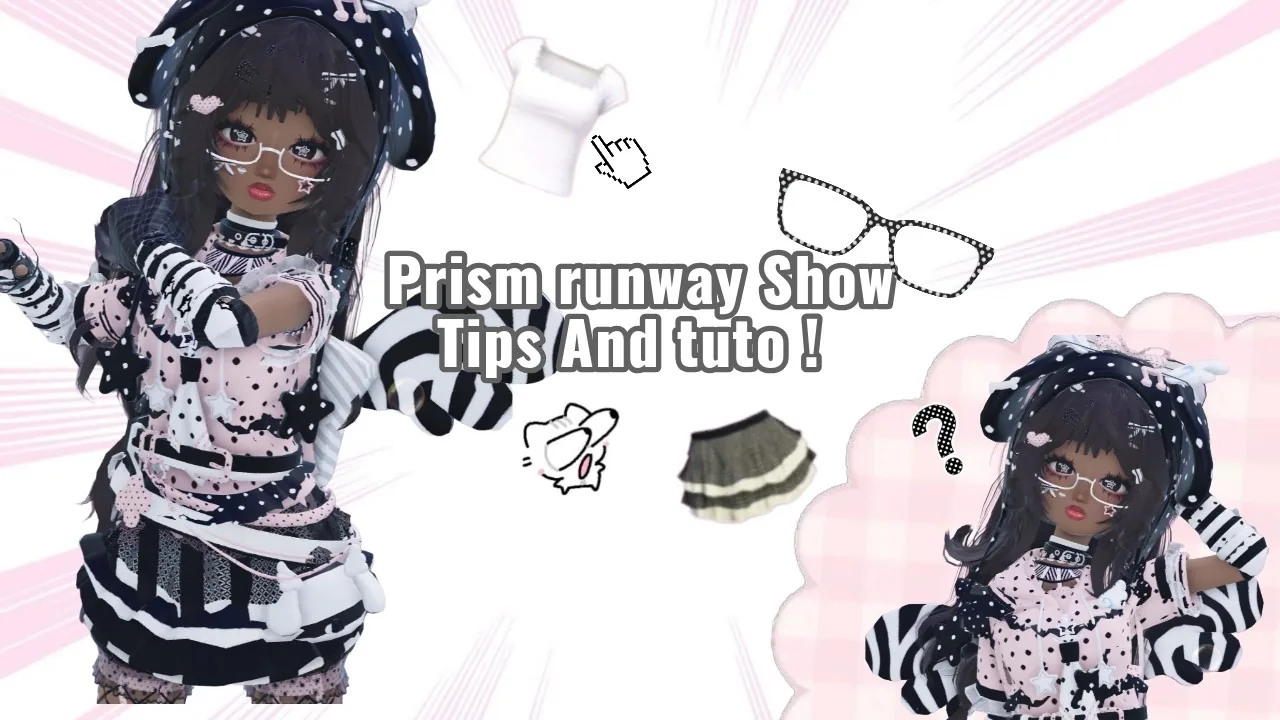
Playing Prism Runway Show requires reading the round theme, gathering core garments before the timer expires, customizing color sections, and posing on the runway for player votes.
Created by group LILY & LIFFY on Roblox, the experience accommodates up to 10 players per server. Rookie models compete on a shared runway stage, earn in-game coins, unlock achievement badges, and post finished designs to Prism Play.
Core Round Structure
Every match begins in an intermission lobby before transitioning to a timed styling phase. Once a round starts, a prompt appears with a short descriptive brief explaining the intended style direction.
Players navigate the physical dressing floor to equip outfits, adjust character genetics, and coordinate props. When the preparation timer concludes, the reveal teleports all contestants backstage. Models walk down the runway individually or in pairs, cycling through manual poses. Competitors rate each participant from one to five stars, which tallies into a podium announcement awarding coins to high scorers.
Dressing Room Navigation and Order of Operations
The dressing room separates clothing categories into distinct physical stations. Learning the layout prevents running out of time while hunting for specific apparel.
Hair styling stations stand near the primary spawn point, while skin color and tanning booths occupy the adjacent central area. Tops, bottoms, jackets, and one-piece dresses line organized perimeter racks. Hats, shoes, hand accessories, and handheld props sit across dedicated central displays and rear wall dividers.
Managing time effectively depends on styling garments in a deliberate sequence:
- Read the show theme prompt and identify key silhouette requirements.
- Select and equip primary clothing pieces, such as dresses, coats, or skirts.
- Choose shoes and confirm they coordinate with the base garments.
- Visit the hair and makeup stations to customize facial features and base tones.
- Apply specific patterns, recolor accent sections, and equip thematic props.
Spending too much time on facial customization early in the round leaves little room to locate matching footwear or pants. Equipping garments first ensures a complete entry even if the countdown reaches its final seconds.
Color Customization, Patterns, and Layering
Garments feature modular color channels rather than flat solid dyes. Selecting an item opens an interface allowing players to target distinct segments—such as ribbons, cuffs, linings, or collars—and change each shade individually.
Applying textures alters the visual finish of items. Certain fabrics present matte surfaces, while others provide glossy or shimmering appearances. When coordinating multi-piece ensembles, matching the underlying texture prevents garments from clashing under the runway lights.
The interface also supports patterns. Players can overlay stripes, polka dots, or specialized graphics directly onto skirts, tops, and hats. Recoloring the pattern linework gives outfits a custom look without requiring separate wardrobe purchases.
Layering adds volume and depth, but requires visual checks:
- Hair stacking: Equipping two compatible hairstyles creates unique updos or fuller ponytails, but stacking more can generate clipping artifacts at the back of the head.
- Shoe layering: Combining certain boots and socks produces specialized footwear silhouettes.
- Jewelry and outerwear: Bulky coats or voluminous skirts can swallow necklaces, gloves, and waist accents. Inspecting the character from multiple angles reveals whether layered pieces poke through fabric awkwardly.
Checking how garments fit together is essential when working with structured aesthetic briefs like modern chic. If an outer jacket clips through a scarf or buries an accent purse, remove the overlapping item before leaving the station.
Styling Decision Matrix
Choosing how to balance your dressing phase changes how cleanly your outfit translates to the runway audience.
| Styling Strategy | Best Used For | Trade-offs to Consider |
|---|---|---|
| Single-Piece Focus | Broad themes and tight countdowns | Fast to build, but risks matching looks with server rivals |
| Multi-Piece Layering | Complex aesthetics requiring rich silhouettes | Requires rapid movement between racks and risk of clipping |
| Pattern Accenting | Simple dresses needing visual distinction | Demands extra time spent inside individual color menus |
Duo Walk Coordination
Contestants can partner up for joint runway walks using the in-game Duo feature. One player sends a duo request, and the second player accepts to link their round entries.
Duo teams walk out onto the stage together, and server participants grade both models simultaneously. Creating a cohesive duo presentation involves deliberate styling rules:
- Shared color palettes: Agree on matching primary colors, or balance complementary pairings such as baby blue and pastel pink.
- Distinct silhouettes: Avoid choosing identical dresses and hair models. Selecting sister-style variations makes the pairing look coordinated rather than accidental clones.
- Theme alignment: Confirm both characters represent the same contextual setting, whether coordinating formal evening attire or matching casual streetwear.
- Synced posing: Cycle through complementary poses on the runway so that handheld props and voluminous skirts do not obstruct the partner model.
Wardrobe Economy and Unlocks
The standard wardrobe contains free base clothing, but specialized items require currency. Completing runway rounds awards coins based on placement and received ratings. Unlocking individual items, such as lace stockings or specialty bags, requires spending coins at the clothing racks.
Between rounds, players can review available outfits, redeem promotional bonuses via codes, or complete lobby quests. Spirit Klopet offers an interactive tutorial quest in the main lobby, teaching newcomers how to use the mini closet and reward systems.
High-tier performers can aim for the Another Stage achievement badge, which marks entry into the dedicated elite server where advanced styling competitions take place.
Next step
VIP Area Guide
Locate exclusive footwear and jewelry options in the VIP dressing room to refine your competition outfits.